The Mystery of Lash Eggs: What Every Chicken Keeper Should Know in [2026]
Lash Facts: Need to Know
I’ve seen my fair share of egg surprises as a backyard chicken enthusiast.
- I’ve seen huge eggs with two or three yolks.
- I’ve seen eggs laid so big that when you open them, you expect to see two or three yolks, but instead, there is another whole egg.
But nothing quite prepares you for the moment you find a “lash egg” in your nesting box.
Today, I’m writing about this bizarre thing that happens to hens occasionally when they lay these strange, alien-like creations.

What Is a Lash Egg?
Go figure this:
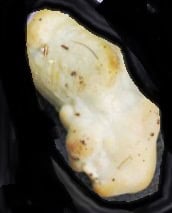
I’m out collecting eggs, expecting the usual perfect yummy breakfast bum nuts, when suddenly I spot something that looks like a cross between an alien and a soggy crumpet mush. And that, my friends, is what we call a “lash egg.”
A lash egg is typically soft, fragile, and sometimes even looks torn or wrinkled.
The shell might be paper-thin, partially formed, or split in a jagged pattern.
It’s enough to make any chicken keeper puke! Seriously, it’s a gross-out!!
Should You Panic? Probably Not!
Take a deep breath if you’ve discovered a lash egg in your coop.
While it might look alarming, it’s usually not a cause for major concern.
In most cases, a lash egg is just a hiccup in the egg production process.
What Causes Lash Eggs?
Several factors can contribute to the formation of lash eggs:
- Stress: Chickens are sensitive creatures. A loud noise, a predator scare, or even a change in routine can disrupt their egg-laying process.
- Dietary Issues: Calcium is crucial for proper shell formation. You might see these freaky- funky eggs if your hen isn’t getting enough! (calcium that is).
- Hydration: Egg production requires plenty of water. Dehydration can lead to egg abnormalities.
- Environmental Factors: Changes in temperature, daylight hours, or coop location can throw off your hens’ internal rhythms.
- Internal Laying Issues: In rare cases, lash eggs can indicate problems like egg binding or reproductive system infections.
What Should You Do?
If you find a lash egg, here’s my action plan:
- Monitor Your Hen: Watch her behavior closely for a few days. Is she eating, drinking, and socializing normally?
- Check Her Diet: Ensure she’s getting a balanced layer feed and enough calcium. I offer my girls free-choice oyster shells.
- Reduce Stress: Create a calm environment. I’ve even been known to play some soft Mozart for my hens!
- Hydrate: Make sure fresh, clean water is always available.
- Be Patient: Give your hen a few days. She’ll often be back to laying normal eggs in no time.
When to Seek Help
While most crazy-looking eggs are harmless one-offs, persistent issues might require veterinary attention. Watch for signs like:
- Continued odd egg-laying patterns
- Lethargy or loss of appetite
- Swollen abdomen or difficulty moving
The Bottom Line
Lash eggs happen, even to the best-cared-for hens. They’re like the hiccups of the chicken world – strange and a bit unsettling but usually harmless. As long as your hen bounces back quickly, there’s no need to worry.
Remember, every chicken keeper has a weird egg story. Now you’ve got yours! Keep calm, carry on, and may all your future eggs be perfectly formed (or at least interesting conversation starters).
Have you ever encountered a lash egg? Share your experiences in the comments below!
FAQs About These Strange Eggs
Can I eat a lash egg?
Technically, you might be able to if the inner membrane is intact, but I don’t. I think it’s always better to err on the side of caution, but then I don’t like to eat blood-spotted eggs either, but I know my parents ate them. Times were much harder then, though.
How can I prevent lash eggs?
Focus on a balanced diet, stress reduction, and proper hydration for your hens.
Are lash eggs a sign of illness?
Not generally. One odd egg doesn’t mean your hen is sick, but persistent issues might indicate a problem.
What’s the difference between a lash egg and a normal egg with a soft shell?
Lash eggs are often more severely misshapen and may contain abnormal material, while soft-shelled eggs are usually just normal eggs without a hard shell.
How common are lash eggs?
They’re relatively rare. Most chicken keepers might only see one occasionally, if at all.
Remember, when in doubt about your hen’s health, it’s always best to consult someone who knows, especially if you are lucky enough to have a veterinarian in your town specializing in poultry.
Happy chicken keeping!